


 Return


The Qingshuitang district in Zhuzhou, Hunan Province, was once one of China's key state-built industrial bases. When the old industrial zone completed its relocation and redevelopment at the end of 2018, the machinery fell silent and a site that had shaped the city's identity for decades went quiet.
In August 2026, that silence was answered in a different register. “Boiling Earth, Flowing Light” — opened across the surviving factory buildings of the Qingshuitang 1956 Creative Park. Appotronics supplied 20 S Pro laser projectors to cover a 150-meter continuous facade, turning the exterior walls of the old workshops into a single seamless projection surface.
The show debuted as the centerpiece of the first Qingshuitang Light and Shadow Art Week, held 22–24 August 2026, and has remained permanently installed since.
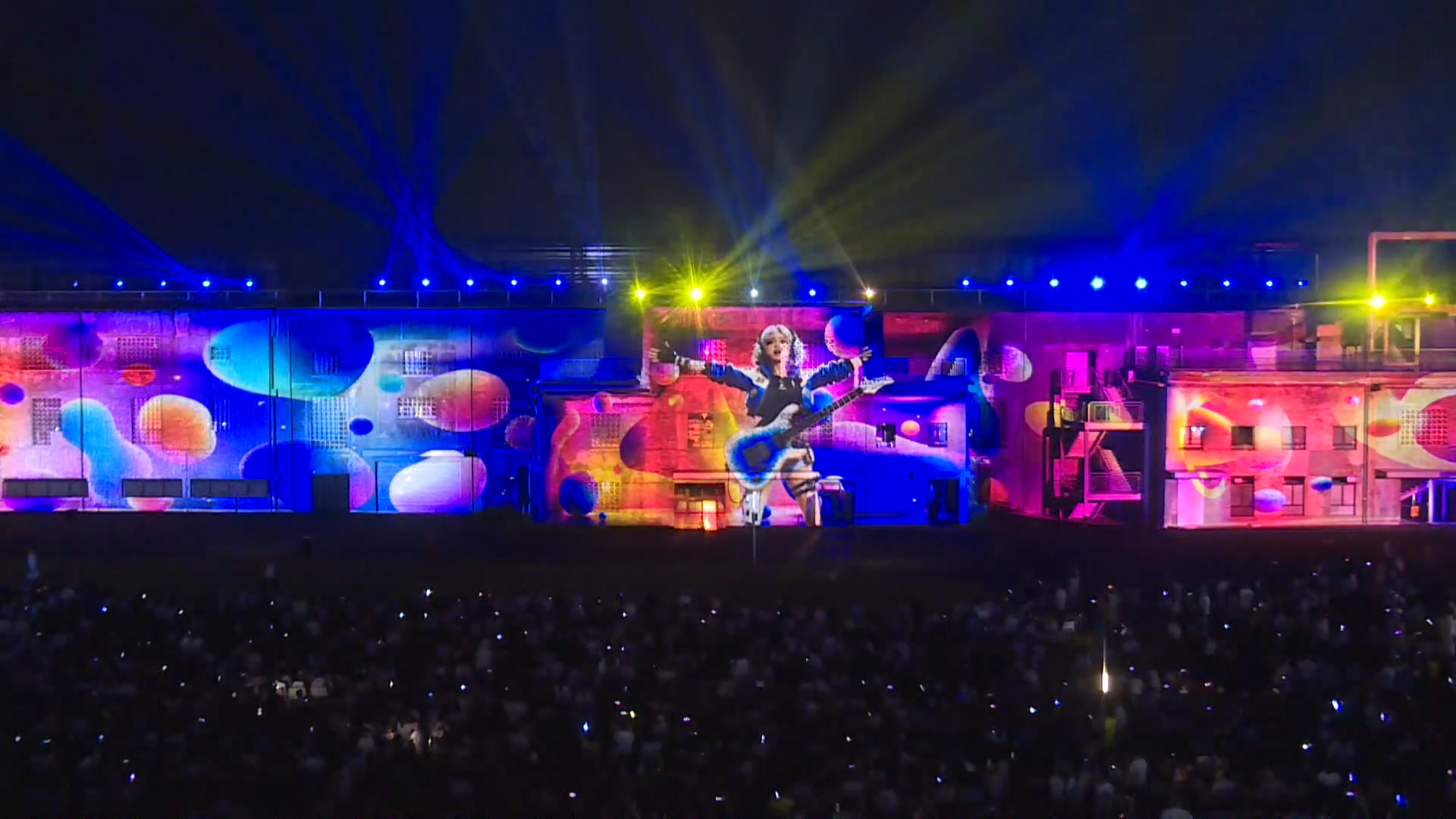
A 150-meter facade with no natural break
The projection surface is not a screen. It is a row of connected factory buildings whose facades form one continuous wall. Any visible seam between projector outputs would break the illusion of a single image, so the outputs had to be edge-blended across the full 150 meters while still respecting the structural joints of the buildings themselves.
An outdoor installation built to stay
Most projection mapping shows are temporary — built for an event and struck afterwards. This one was specified for long-term deployment on an exterior wall exposed to rain, wind, and seasonal temperature swings. The hardware and mounting had to hold alignment over months of unattended nightly operation, not just one weekend.
Appotronics deployed 20 S Pro series laser projectors, positioned to cover the full length of the workshop facades in a single blended array.
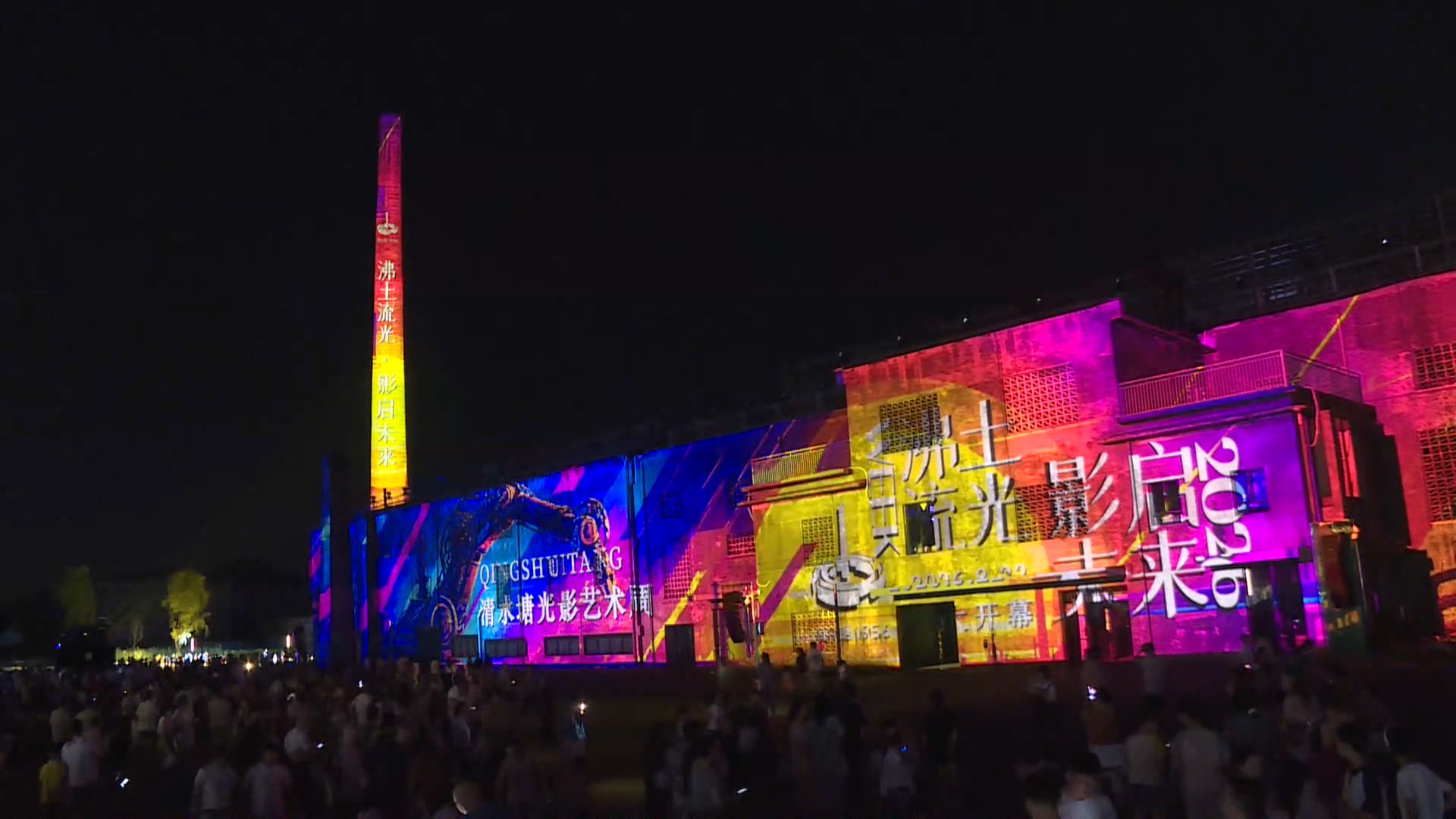
The projectors are configured so their outputs overlap and blend across the 150-meter run, producing one uninterrupted image rather than a series of adjacent panels. The result is a wall-scale canvas in which the building's own structure — window rows, roof lines, brick coursing — becomes part of the composition instead of a disruption to it.
Rather than treating the facade as a flat billboard, the 3D mapping content is built around the building's actual surfaces. Projected imagery follows the texture and rhythm of the walls, so industrial hard lines and the fluid motion of digital light meet on the same plane. The building reads as a living surface rather than a screen that happens to sit on a wall.
The installation was never intended as a one-off. After the August art week, the system was reused over the National Day holiday in October 2026 for the park's MOS International Graffiti Art Exchange, running a different content program on the same hardware. Because the projection array is fixed and calibrated, changing the show means changing the content — not rebuilding the installation.
|
Series |
Role in the project |
Key applications |
|
S Pro |
High-brightness outdoor projection for large architectural surfaces |
150-meter blended facade coverage across connected factory buildings |
All units use Appotronics ALPD® laser light-source technology, which holds brightness and color consistency over extended operating cycles — a requirement for a permanently installed exterior system running nightly.
20 S Pro projectors covering a 150-meter continuous facade as a single blended image
A permanent installation, not an event build — reused for a second program within two months of its debut
An industrial heritage site returned to public life, with the creative park having received more than 350,000 visitors since opening
One hardware platform, multiple shows, letting the operator refresh programming without touching the projection system
For municipalities and cultural operators exploring projection mapping on industrial heritage buildings, the project shows how a long facade and a permanently installed laser array can turn post-industrial architecture into recurring night-time programming rather than a single-event spectacle.